
For a long time, the software industry operated on a simple, engineering-first mentality: build a product with powerful features, and the users will come.
That era is over. Today, a product with superior underlying technology will still fail if it’s wrapped in a confusing, frustrating interface. In a market where competitors are only a click or an app download away, User Interface (UI) and User Experience (UX) design are no longer just the "paint" you apply at the end of a project. They are the foundation of product development.
Here is why investing heavily in UI/UX design is the only way to build successful digital products moving forward.
The Shift: Features vs. Experience
To understand why design is taking over, look at how the software market has matured. We have transitioned from an economy of utility to an economy of experience.
| The Old Model (Feature-Centric) | The New Model (Design-Centric) | |
|---|---|---|
| Primary Goal | How many things can this product do? | How easily can the user achieve their goal? |
| Development Focus | Backend architecture and engineering | Prototyping, user research, and flow |
| Differentiation | Proprietary technology | Frictionless, delightful user experience |
| Customer Retention | Lock-in contracts or lack of alternatives | Brand loyalty through satisfaction |
When every product on the market can technically solve the user's problem, the winner is the one that solves it with the least amount of friction.
1. Good UX Dramatically Lowers Development Costs
There is a well-known concept in software development called the 1-10-100 rule. It costs $1 to fix a problem during the design phase, $10 to fix it during development, and $100 to fix it after the product is released.
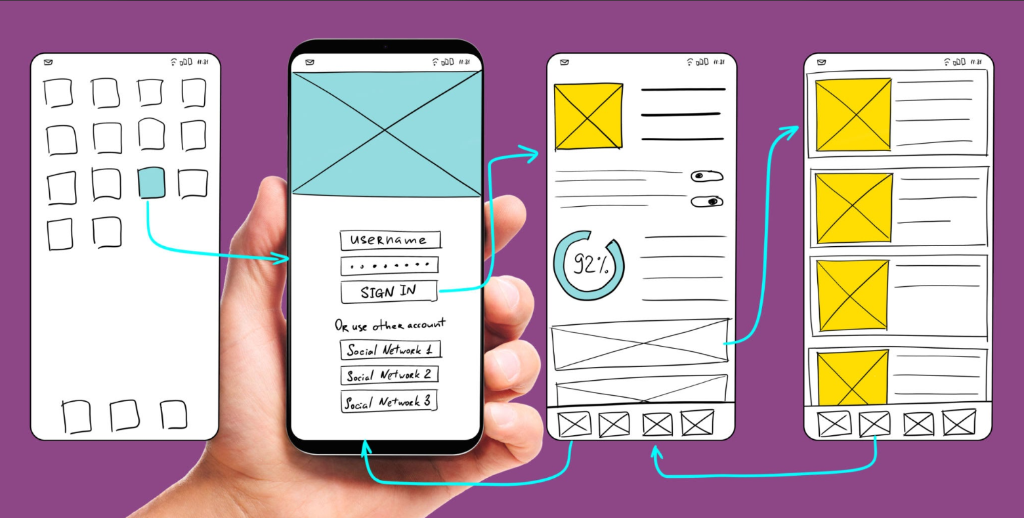
When UI/UX is an afterthought, developers spend hundreds of hours coding features that users might find confusing or entirely unnecessary. By prioritizing UX first—building clickable prototypes and testing them with real users—you identify dead-ends and confusing workflows before you pay developers to build them.
2. Attention Spans Demand Instant Gratification
When a user opens your app or website for the first time, you have less than 5 seconds to convince them they are in the right place.
This is where UI (User Interface) acts as your strongest marketing tool. Clean typography, logical visual hierarchies, and familiar design patterns signal professionalism and trustworthiness. If an interface looks dated, cluttered, or requires a manual to understand, users will immediately abandon it for a competitor's sleeker alternative, regardless of how powerful your backend code is.
3. Experience is Your Ultimate Competitive Moat
Features can be cloned. Your competitors can reverse-engineer your pricing model, copy your feature list, and mimic your marketing strategy. But a deeply ingrained, intuitive user experience is incredibly difficult to replicate.
Think of Apple or Slack. There are dozens of cheaper smartphones and hundreds of other workplace chat apps. Users stay because the feeling of using those products is frictionless. They have built a competitive moat out of user experience.
4. UX Makes Products Accessible to Everyone
The future of software is inclusive. As digital products integrate deeper into everyday life, they must be usable by people of all ages, technical proficiencies, and physical abilities.
Good UX design inherently bakes accessibility into the product. It ensures high color contrast for the visually impaired, creates large enough tap targets for mobile users, and writes microcopy (the small bits of text on buttons and menus) that is completely free of confusing jargon. When you design for accessibility, you automatically create a better product for every user.
The Bottom Line
Treating UI and UX design as a final coat of polish is a recipe for failure. The future of product development requires bringing designers to the table on day one.
When you start with empathy for the user, map out their journey, and design interfaces that make their lives easier, you aren't just building a piece of software. You are building a product that people will actually want to use.